Why mid-sized businesses are well placed to benefit from AI
Large enterprises have bigger budgets, but established mid-sized manufacturers, contractors and distributors often have the advantages that matter more: focus, speed and owners who can decide.
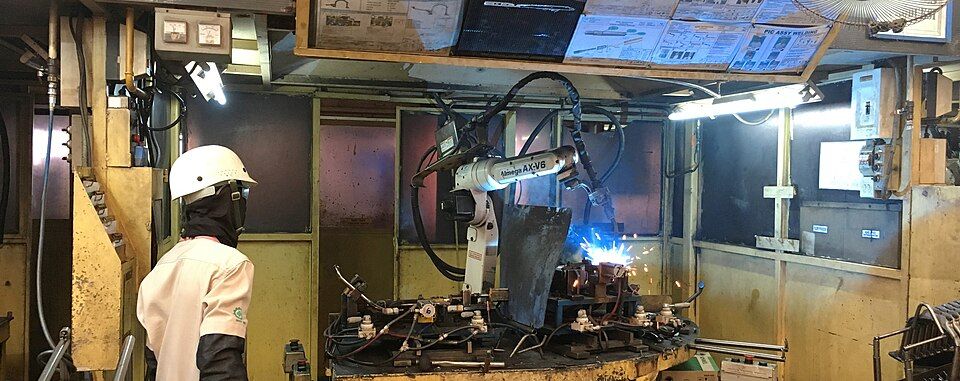
Much of the conversation about AI in business is about the largest companies: their budgets, their research teams, their partnerships. It’s easy for the owner of a 60-person fabrication shop or a regional distributor to conclude that this is a game for someone else.
In practice, established mid-sized businesses often have advantages that matter more than budget.
Decisions are made by people who see the whole business
In a large enterprise, a single improvement can require approval from several departments, a steering committee, and a procurement process. In a mid-sized business, the owner or a small leadership team can see the problem, agree on a fix, and start the same month.
That speed matters. The value of an improvement starts when it goes live, not when it’s approved.
The problems are concrete
Large organizations often start with broad strategies. Mid-sized businesses tend to start with specific, painful problems: quotes that take too long, billing that slips through, a production schedule that lives in one person’s head. Specific problems are easier to solve and easier to measure.
Years of records are an asset
An established business has years of quotes, jobs, drawings, invoices, and customer history. That history is exactly what modern software can learn from: which jobs were profitable, which suppliers were reliable, which customers tend to come back. It’s often sitting in folders and inboxes, unused.
Small improvements are a large share of the result
In a business with a few million dollars in annual revenue, recovering missed billing, reducing quoting time, or freeing up one person’s week can make a noticeable difference to the year. The same improvement might be a rounding error in a global enterprise.
The real constraints, and how to work with them
Mid-sized businesses do have real constraints:
- Limited in-house technical staff. There is rarely a team available to build and maintain software.
- Little appetite for disruption. The business has to keep shipping while anything changes.
- Skepticism of big promises, often earned from past software projects that didn’t deliver.
These constraints point to a particular way of working: start with one clearly defined problem, build around the systems already in place, keep people in control of decisions, and prove value before expanding. That approach suits mid-sized businesses better than large transformation programs.
The window is open now
The tools have become dramatically more capable and less expensive in a short time. Businesses that start learning how to apply them now, one practical problem at a time, will build an advantage that compounds: better data, faster processes, and a team that knows how to use the tools well.
If you’re curious what this could look like in your business, we’re happy to talk it through.